





The Ultimate Guide to Protective Welding Equipment
At its core, welding consists of using a source of heat to melt the edges of metal parts that will be combined together. Welding is mostly used to join together pipes and other infrastructural components.
Welding is an ancient technique that has been around for centuries and is still considered the most economical and efficient way to join metals permanently. The first forms of welding date back to the age of bronze. At that time, small gold circular boxes were made by pressure welding lap joints together.
Over the course of time, and thanks to the evolution of technology, the technique has become more than just a pure functional metalworking technique. Expert welders are capable of creating the most extravagant shapes in metal and welding is nowadays considered a form of art.
WELDING HAZARDS
Although welding technology improved exponentially over the course of years, the process still carries some hazards, including electric shock, fumes and gases, fire and explosions and more.
To help keep welders safe, organizations such as the American Conference of Governmental Industrial Hygienists (ACGIH) and the Occupational Safety and Health Administration (OSHA) offer safety guidelines to control, minimize or help employers and workers avoid welding hazards. Employers should ensure all workers have an opportunity to comply with the following important guidelines in the workplace:
- Read and understand manufacturer instructions for equipment
- Carefully review material safety data sheets
- Follow the company’s internal safety practices
EQUIPMENT
Equipment is also fundamental to keep workers safe. Regardless of the welding process, welders should always be equipped with the following items:
WELDING HELMETS

Powered Air Purifying Respirator High-Efficiency System with 3M Speedglas Welding Helmet 9100 FX-Air

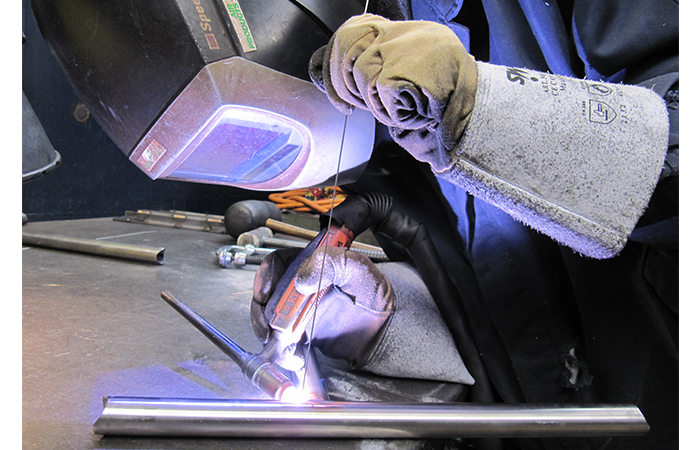
Welding helmets are fundamental to protect eyes, face, and neck from flash burn, ultraviolet light, sparks, infrared light, and heat.
This type of gear is mostly used with arc welding processes such as shielded metal arc welding, gas tungsten arc welding, and gas metal arc welding.
Welding helmets are important for safety, but also allow welders to give a kick to their look. Here are some of the most extravagant, yet safe, helmets in the market.
GLOVES
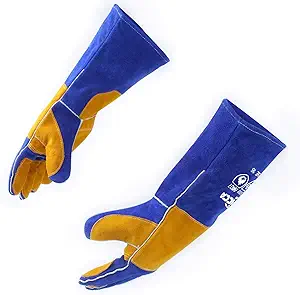
RAPICCA Leather Forge Welding Gloves Heat/Fire Resistant
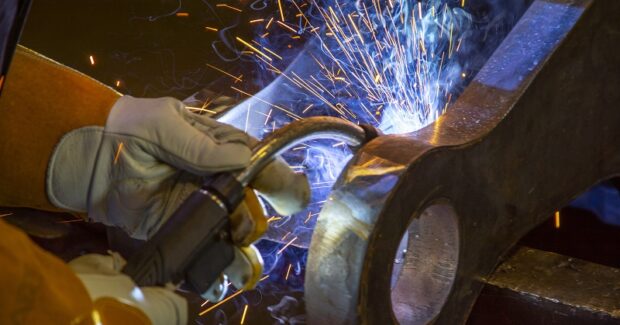
Welding gloves are an indispensable component of the welding safety pack. They are necessary to protect hands from flying sparks, heat, or even flame-ups.
It is important to keep them dry and in good condition to avoid the risk of electric shock.
Here’s our recommendation.
SLEEVES
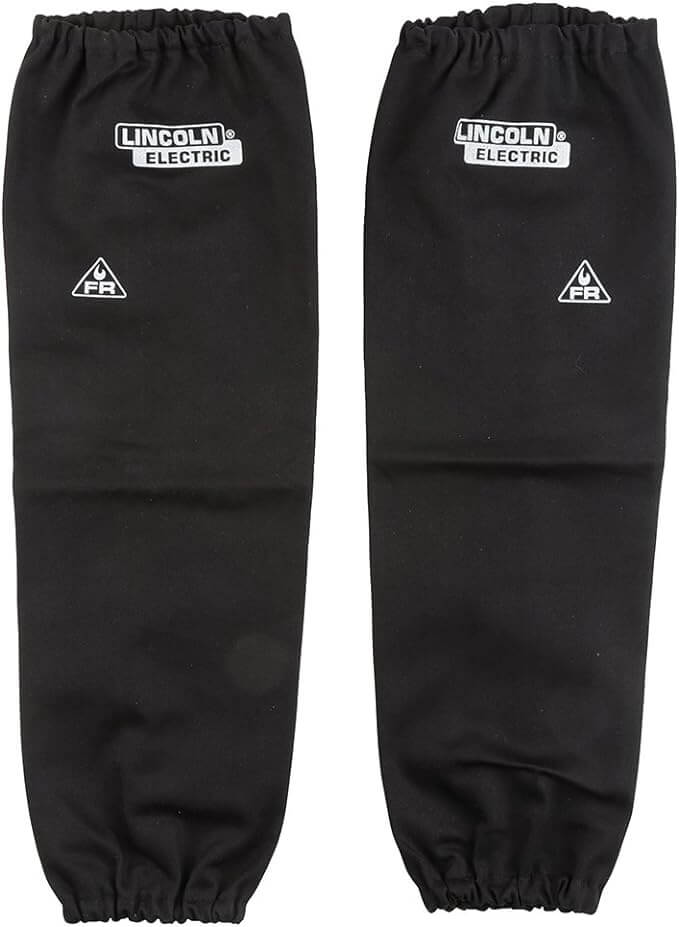
Lincoln Electric. Black One Size Flame-Resistant Welding Sleeves

Here’s our choice of welding sleeves.
FIRE/FLAME RESISTANT CLOTHING
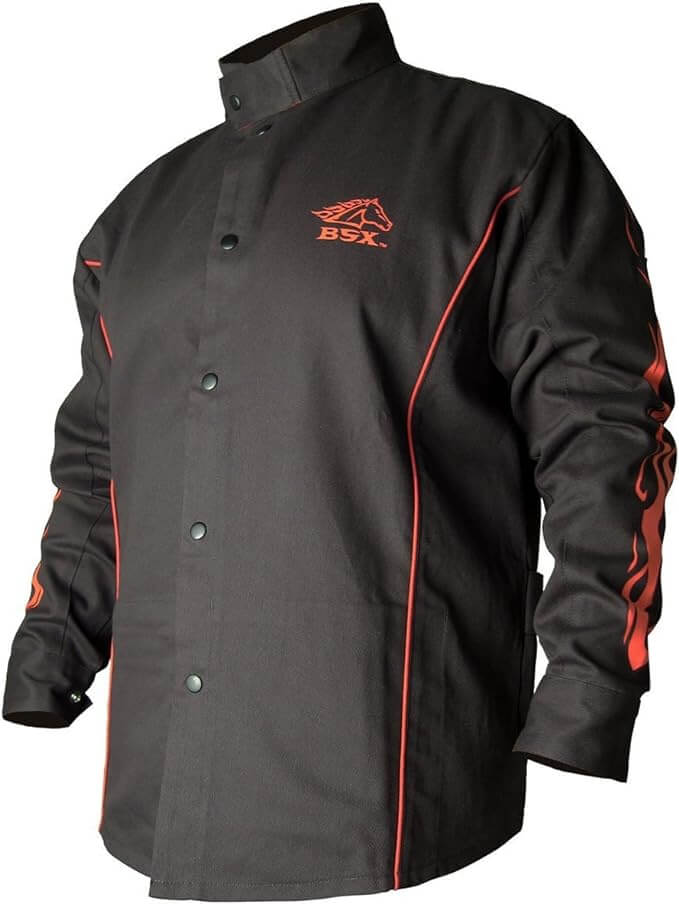
West Chester IRONCAT 7005 Heat Resistant Split Cowhide Leather Welding Jacket

Here’s what we recommend.
This post may contain affiliate links. Please read our disclosure for more info.
1 Comment
Now I know that welding really requires safety gear such as helmets which is a piece of non-negotiable equipment to use. I would understand how professionals should use this every day. So it’s important to find ones that are of high quality.