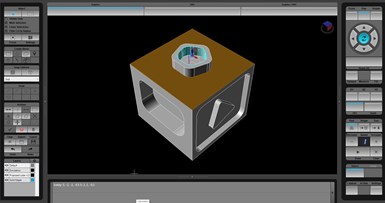





Empowering Manufacturing Through Connected Controls

Image credit: engineering.com
Keeping the scrap rates low is fundamental to the survival of any machine shop.
Achieving this goal, however, is becoming increasingly challenging as designers increase the part complexity to fully exploit the capabilities of modern machines.
New control technology is the solution to this need.
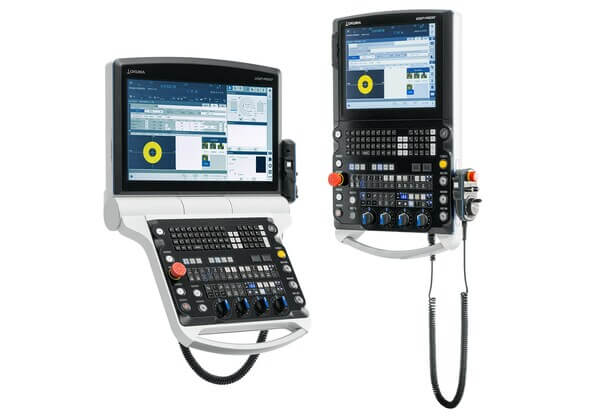
Modern control technology connects to CAD-CAM systems, securely allowing machine operators to access part files, data and set-up sheets without ever leaving the machine
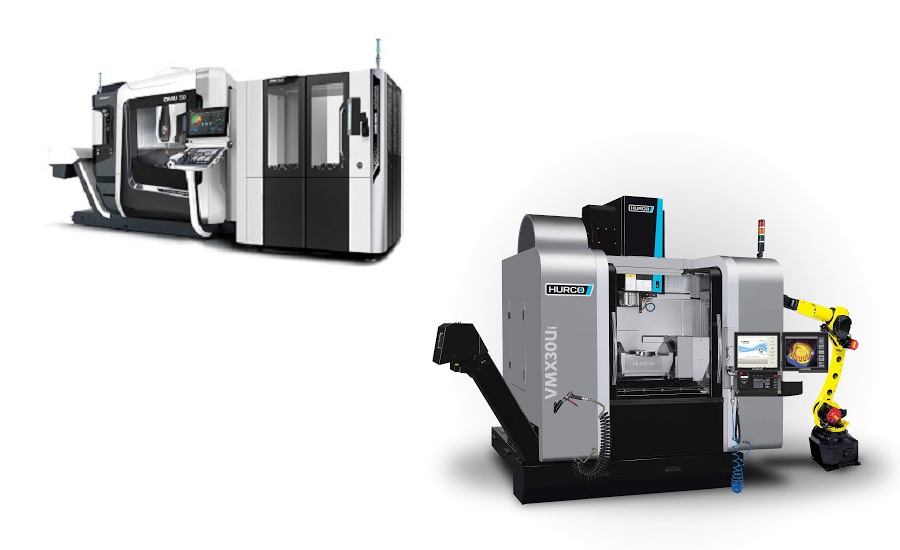
And that’s not it. Machine controls now enable operators to switch the NC program between the desired functions. This gives job shops the freedom to decide how and when they want to combine machining methods, an important development necessary to keep pace with the expanded functions available from 5-axis mill turns.
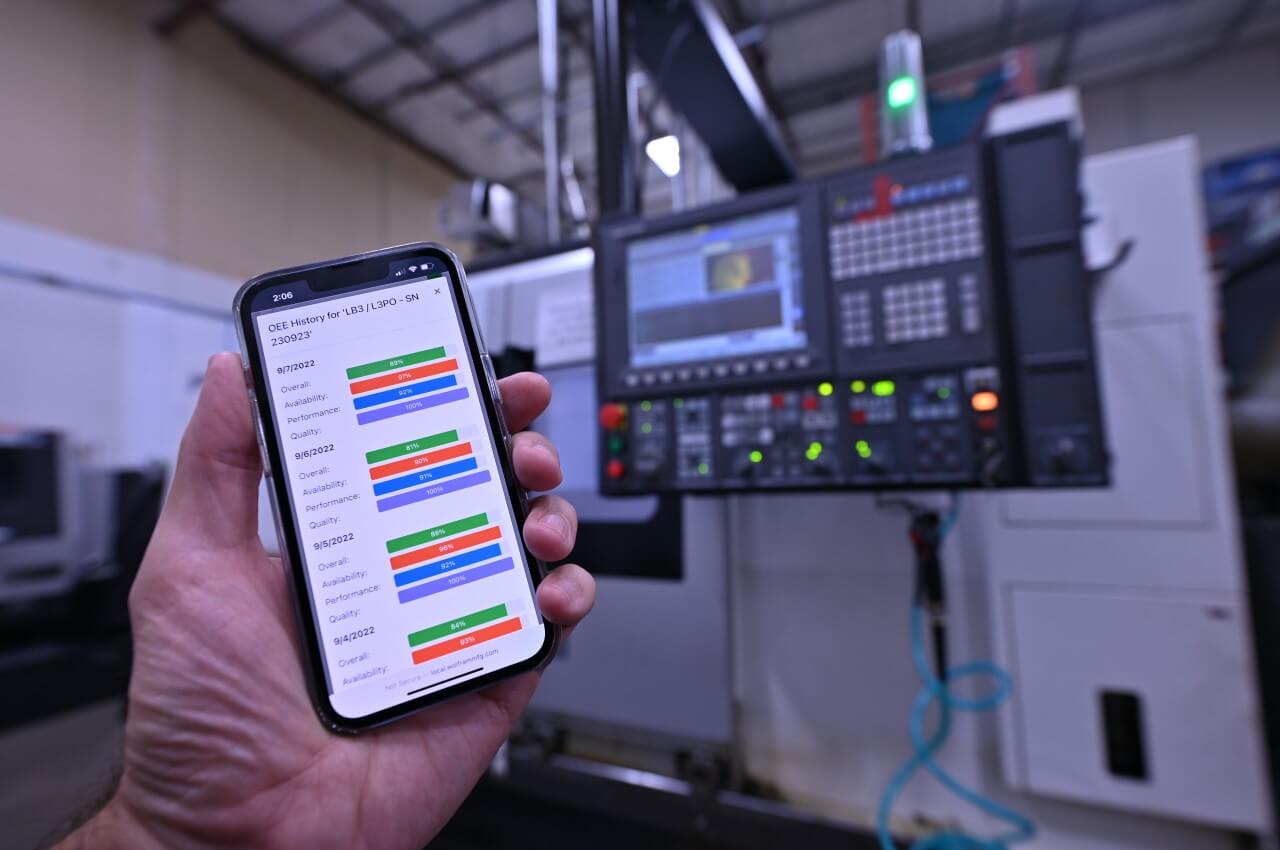
Control systems are also a great tool to empower staff members that don’t work in direct contact with the machines. Engineers and managers from other facilities can easily access them and work with the CNC-related data. Traditional types of data available from CNC controls includes machine status, current program running, spindle speed, availability, utilization rate and errors. Non-conventional data sources include tooling, workholding and discrete machine parts such as pumps, motors, and encoders.
Modern Control Technology at IMTS 2018
The International Manufacturing Technology Show, which runs from Sept. 10 – 15 at Chicago’s McCormick Place, may be an option for manufacturers looking to connect with control and software providers.
“CNC controls are an integral part of the digital thread that extends from cutting tools to ERP systems,” observed Peter R. Eelman, Vice President of Exhibitions & Business Development at The Association for Manufacturing Technology (AMT), which owns and produces IMTS. “At IMTS 2016, exhibitors were mostly talking about connected controls. At IMTS 2018, visitors can experience connected manufacturing – from design to part as never before.”
This technology is quickly becoming a requirement for job shops that want to stay competitive and not upgrading outdated controls is a mistake that machine shop owners should avoid.